
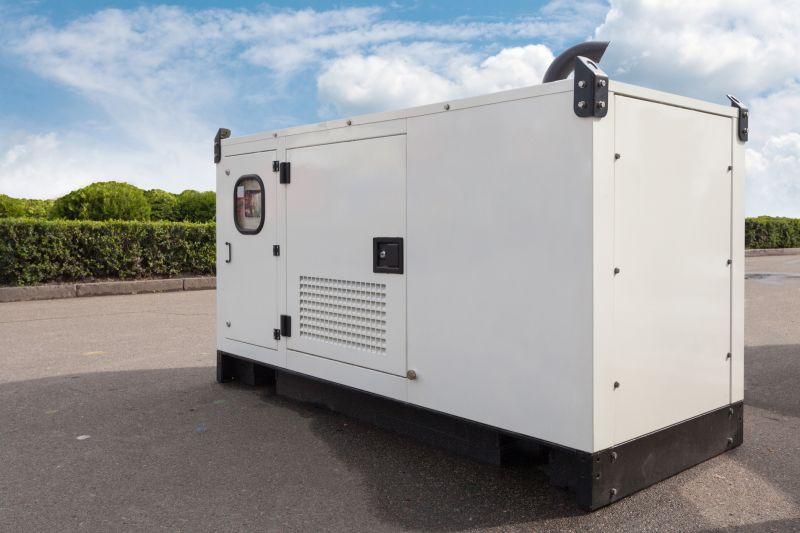
Generator Leak Repair in Utah County, UT
Generator leak repair services focus on identifying and fixing leaks in residential generators to prevent potential damage and ensure reliable operation. These projects typically involve inspecting the generator’s fuel, oil, and coolant systems for signs of leaks, then repairing or replacing damaged seals, hoses, or fittings. Property owners often request this service when noticing puddles beneath the generator, unusual odors, or decreased performance, as leaks can lead to safety hazards or costly repairs if left unaddressed.
Before requesting generator leak repair, property owners should understand the location and type of the generator, as well as any visible signs of leakage or damage. Providing details about when the leaks started, the frequency of leaks, and any recent maintenance or unusual noises can help facilitate an accurate assessment. Proper diagnosis and timely repairs can help maintain the generator’s efficiency and safety, ensuring it functions correctly during power outages or emergencies.
Many property owners in Utah County, UT look into Generator Leak Repair for repairs, replacements, upgrades, and appearance-related improvements.
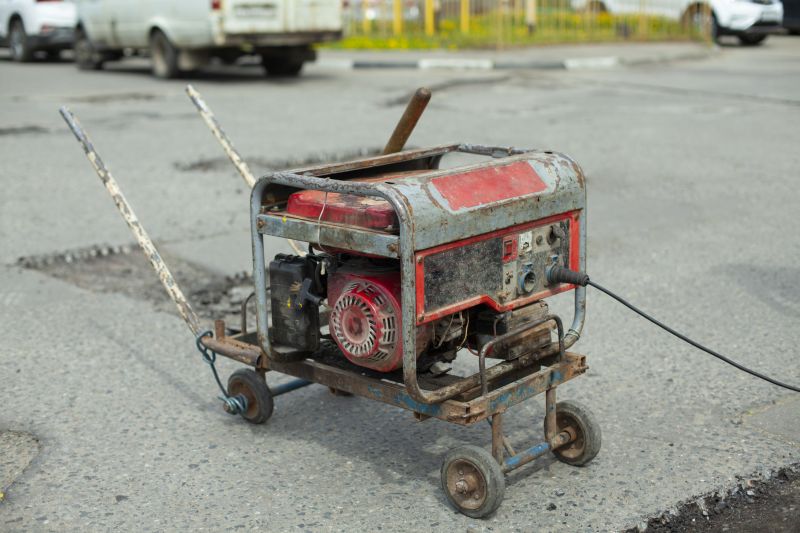
Generator Leak Detection
Identifying the source of leaks to prevent further damage and ensure safe operation.
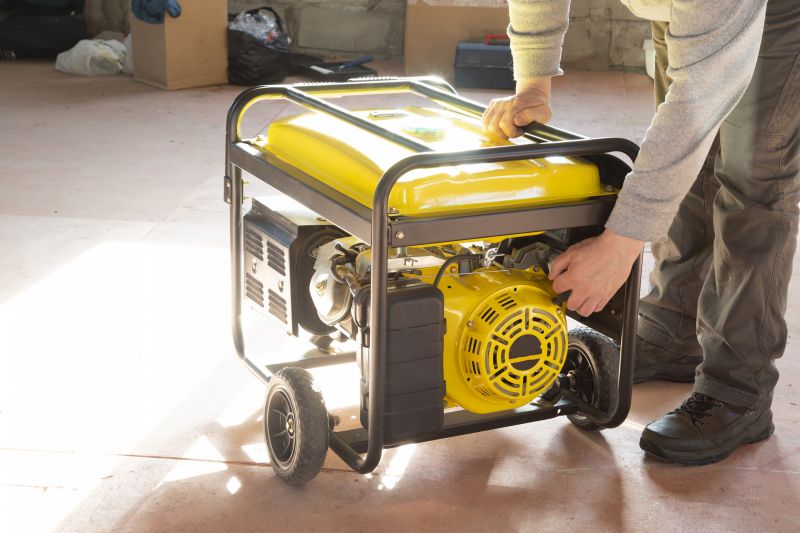
Leak Repair Solutions
Providing effective repairs to stop leaks and restore generator performance.
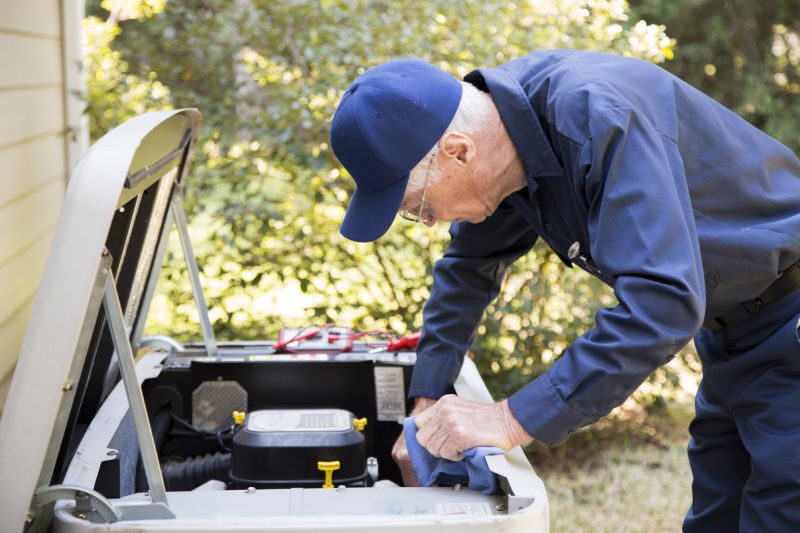
Preventative Maintenance
Offering inspections and upkeep to minimize the risk of future generator leaks in utah county and nearby areas.
Generator Leak Repair in Utah County, UT
Generator leak repair services focus on identifying and fixing leaks in residential generators to prevent potential damage and ensure reliable operation. These projects typically involve inspecting the generator’s fuel, oil, and coolant systems for signs of leaks, then repairing or replacing damaged seals, hoses, or fittings. Property owners often request this service when noticing puddles beneath the generator, unusual odors, or decreased performance, as leaks can lead to safety hazards or costly repairs if left unaddressed.
Before requesting generator leak repair, property owners should understand the location and type of the generator, as well as any visible signs of leakage or damage. Providing details about when the leaks started, the frequency of leaks, and any recent maintenance or unusual noises can help facilitate an accurate assessment. Proper diagnosis and timely repairs can help maintain the generator’s efficiency and safety, ensuring it functions correctly during power outages or emergencies.
Many property owners in Utah County, UT look into Generator Leak Repair for repairs, replacements, upgrades, and appearance-related improvements.
Common Generator Leak Repair Jobs
Generator leak repair - addresses leaks that can cause damage and reduce system efficiency.
Sealing and patching - involves sealing cracks and holes to prevent further leaks.
Leak detection services - identifies the precise location of generator fluid leaks.
Corrosion repair - restores integrity to corroded generator components affected by leaks.
Drain and valve repairs - ensures proper operation of generator drainage and shut-off valves.
Preventive maintenance - helps reduce the risk of future leaks through regular inspections.
Generator Leak Repair Questions
What causes generator leaks? Leaks can result from worn seals, cracked hoses, or corrosion over time, leading to fluid escaping from the generator.
How are generator leaks repaired? Repairs typically involve replacing damaged seals, hoses, or other components to stop fluid from leaking and restore proper function.
Is it safe to operate a generator with a leak? Operating a leaking generator can be unsafe and may cause further damage; it’s recommended to address leaks promptly.
What signs indicate a generator leak? Signs include puddles underneath the generator, low fluid levels, or visible cracks and damage on components.
Request Generator Leak Repair in Utah County, UT
Use the quote form on this page to share the basics of your project and request more information for the type of work you need.